Selection
Mainspring, balance wheel, rotor: what sets a mechanical watch apart from a quartz watch, for men and women alike.
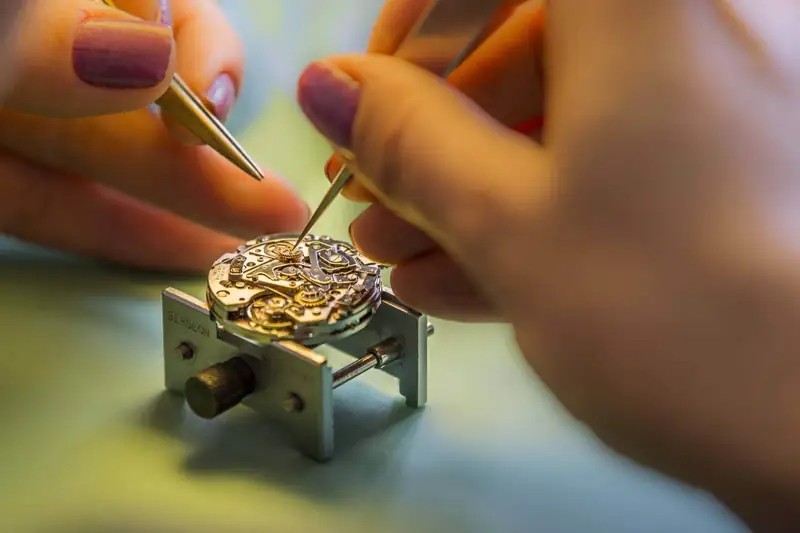
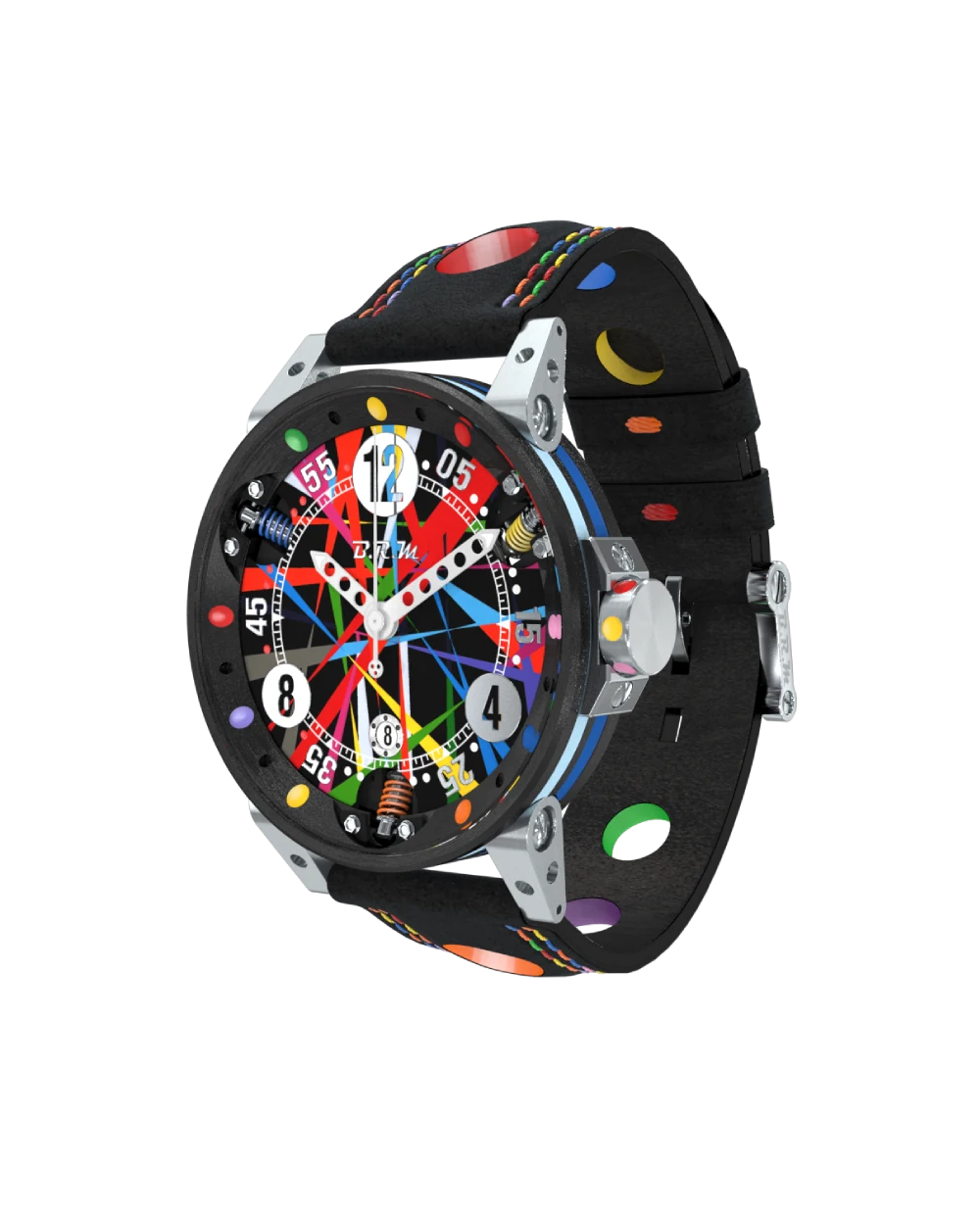
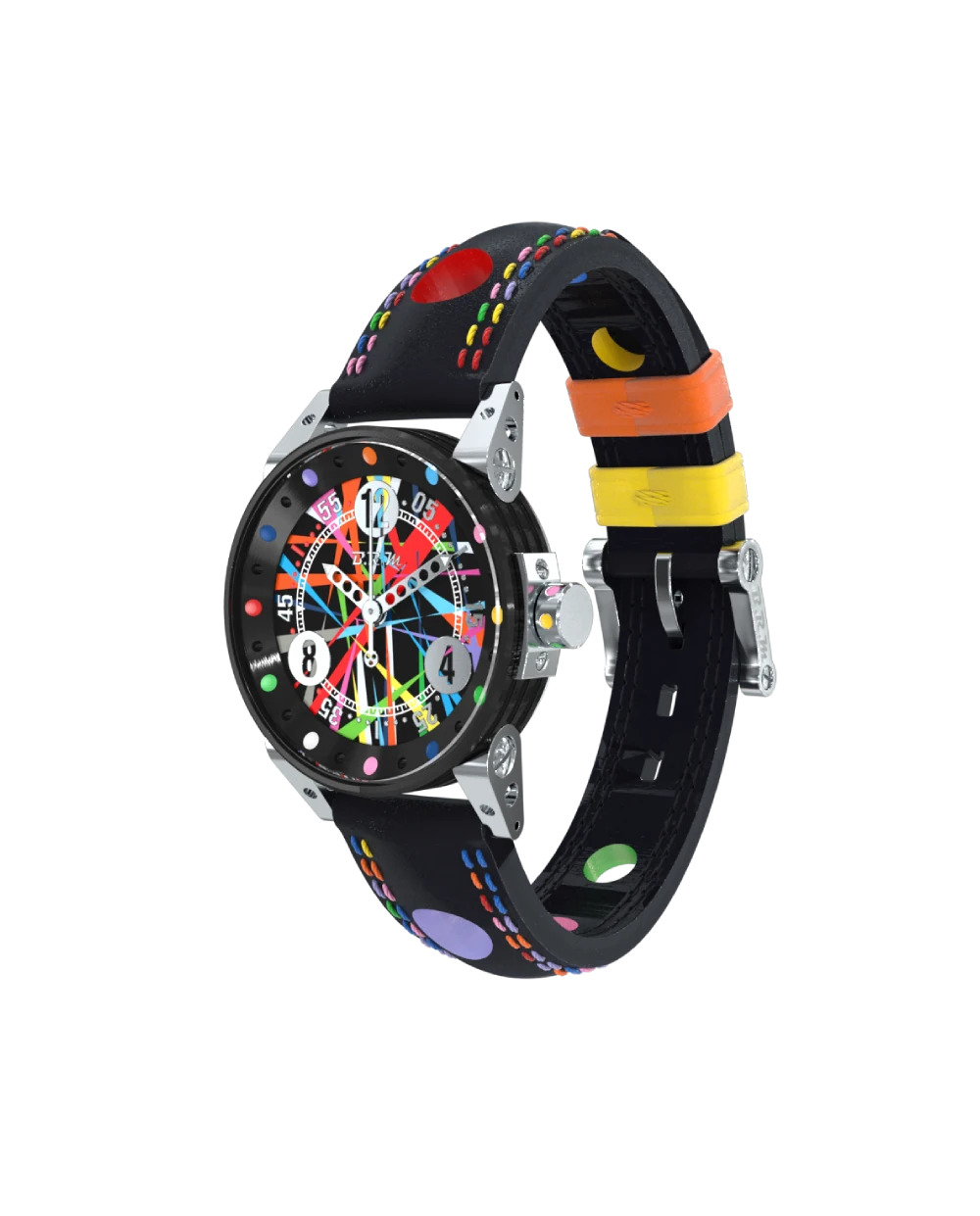
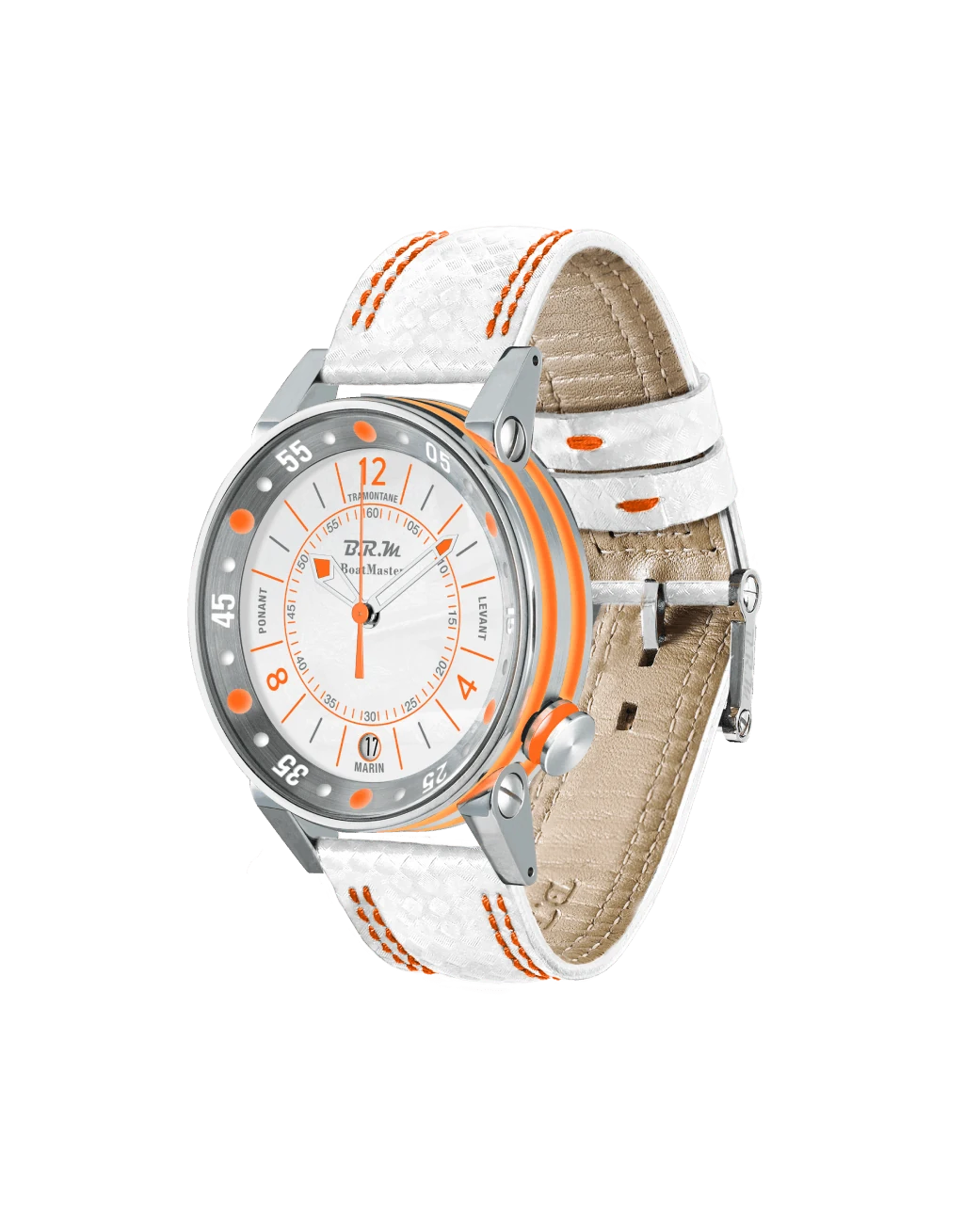
A mechanical watch draws its energy from a spring, not a battery: a balance wheel, oscillating several times a second, regulates its running. Every B.R.M Chronographes watch is a self-winding mechanical; none is quartz. They come from 25 to 52 mm, for men and women, and are assembled by hand in Magny-en-Vexin.
The watches in this selection


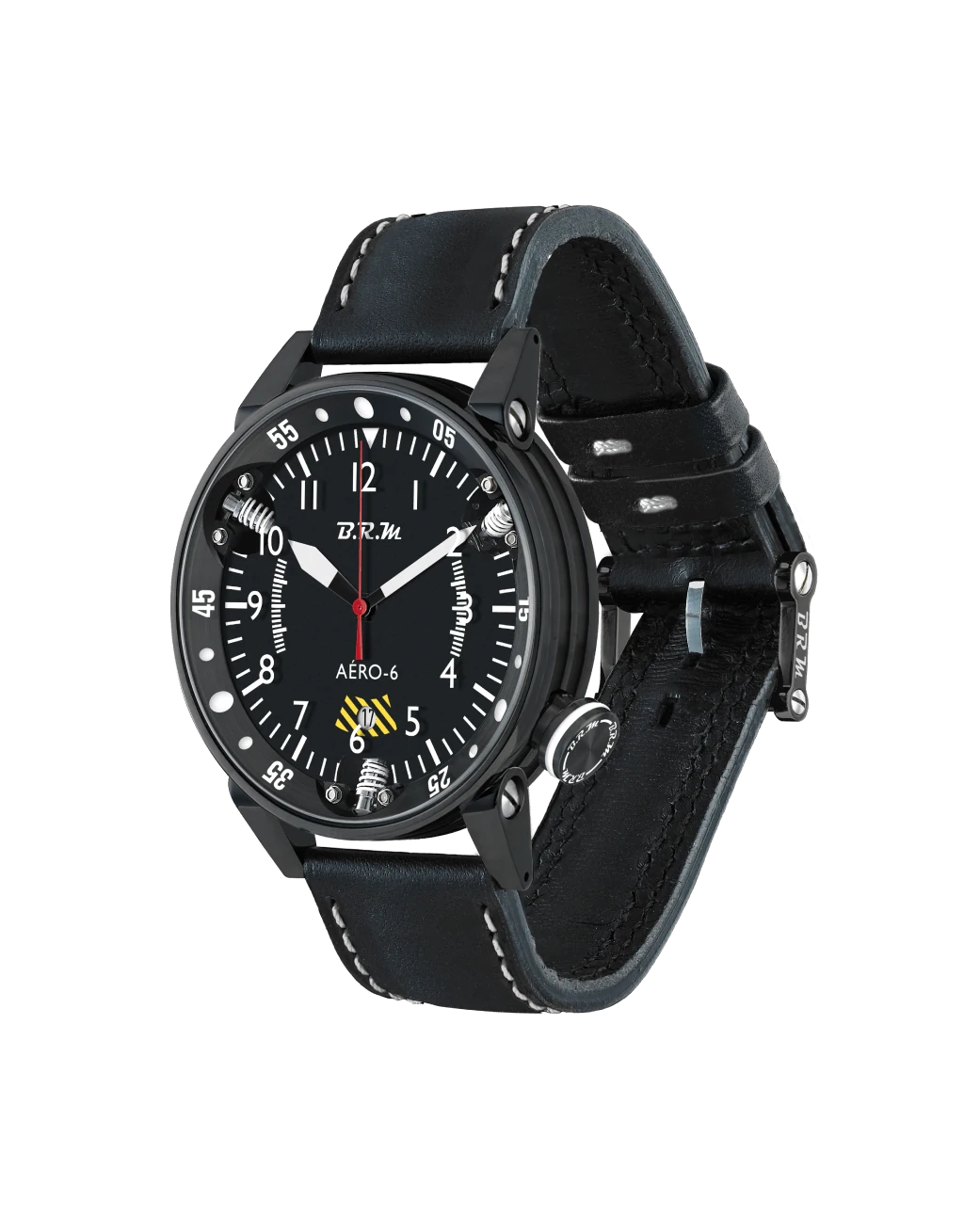

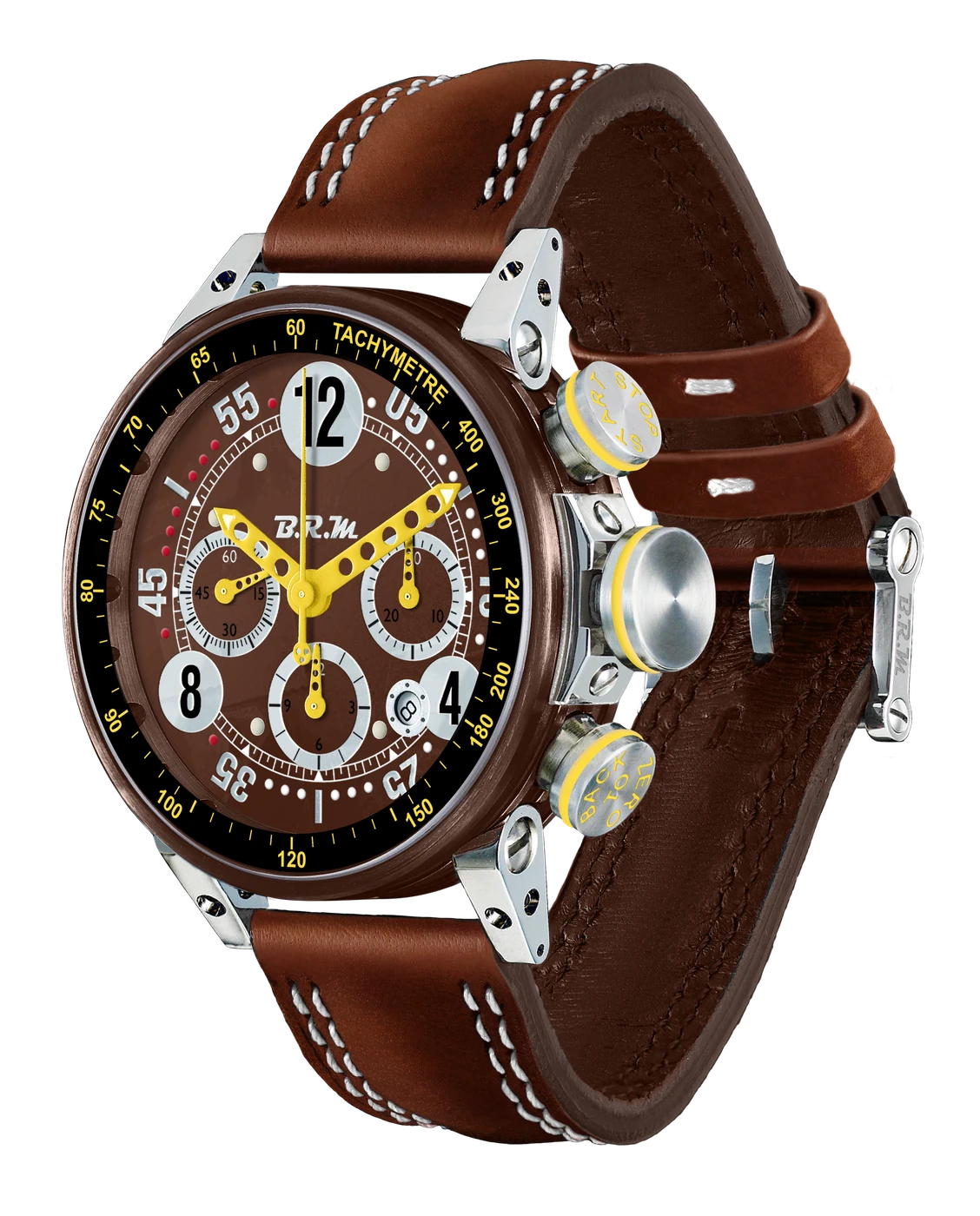
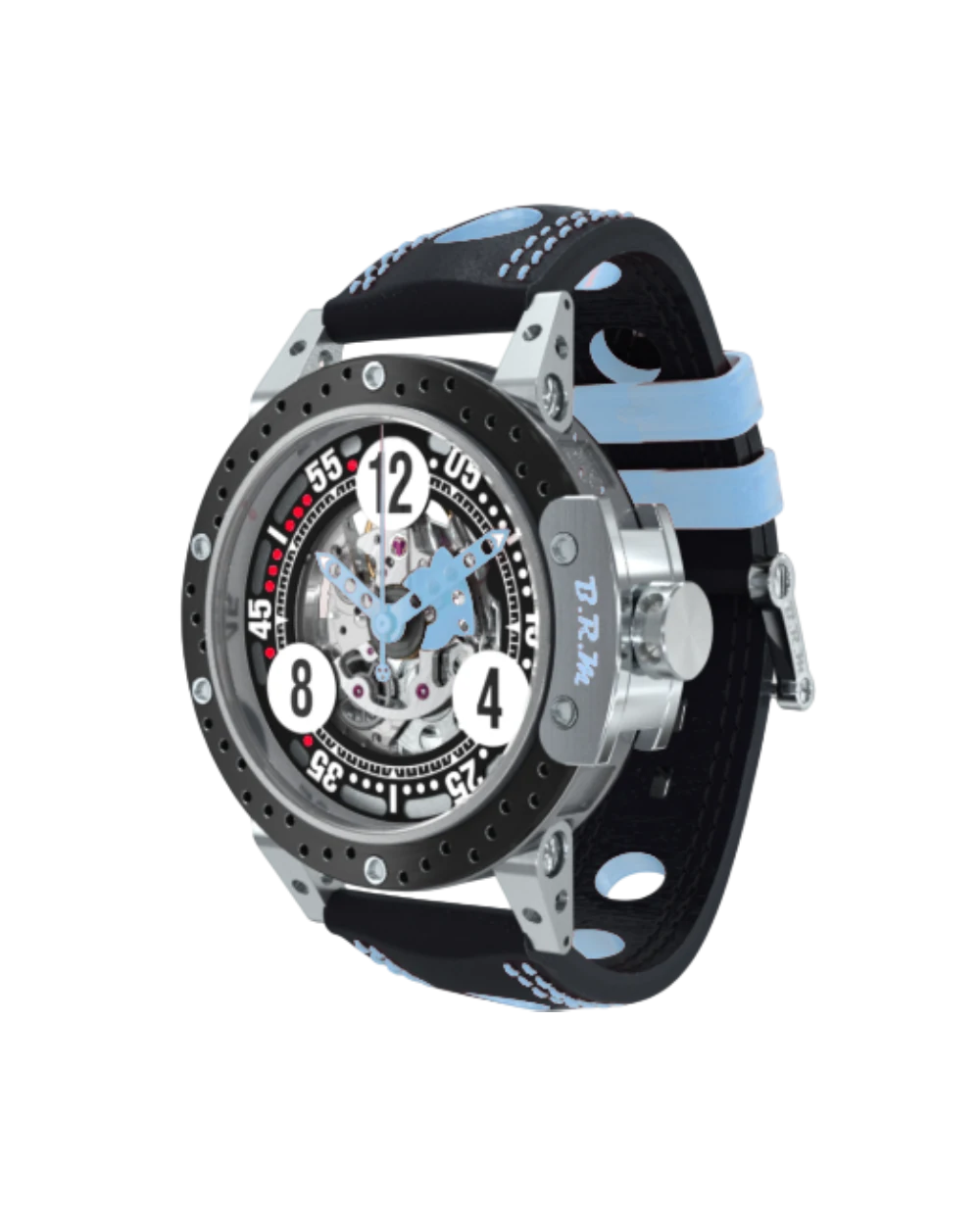
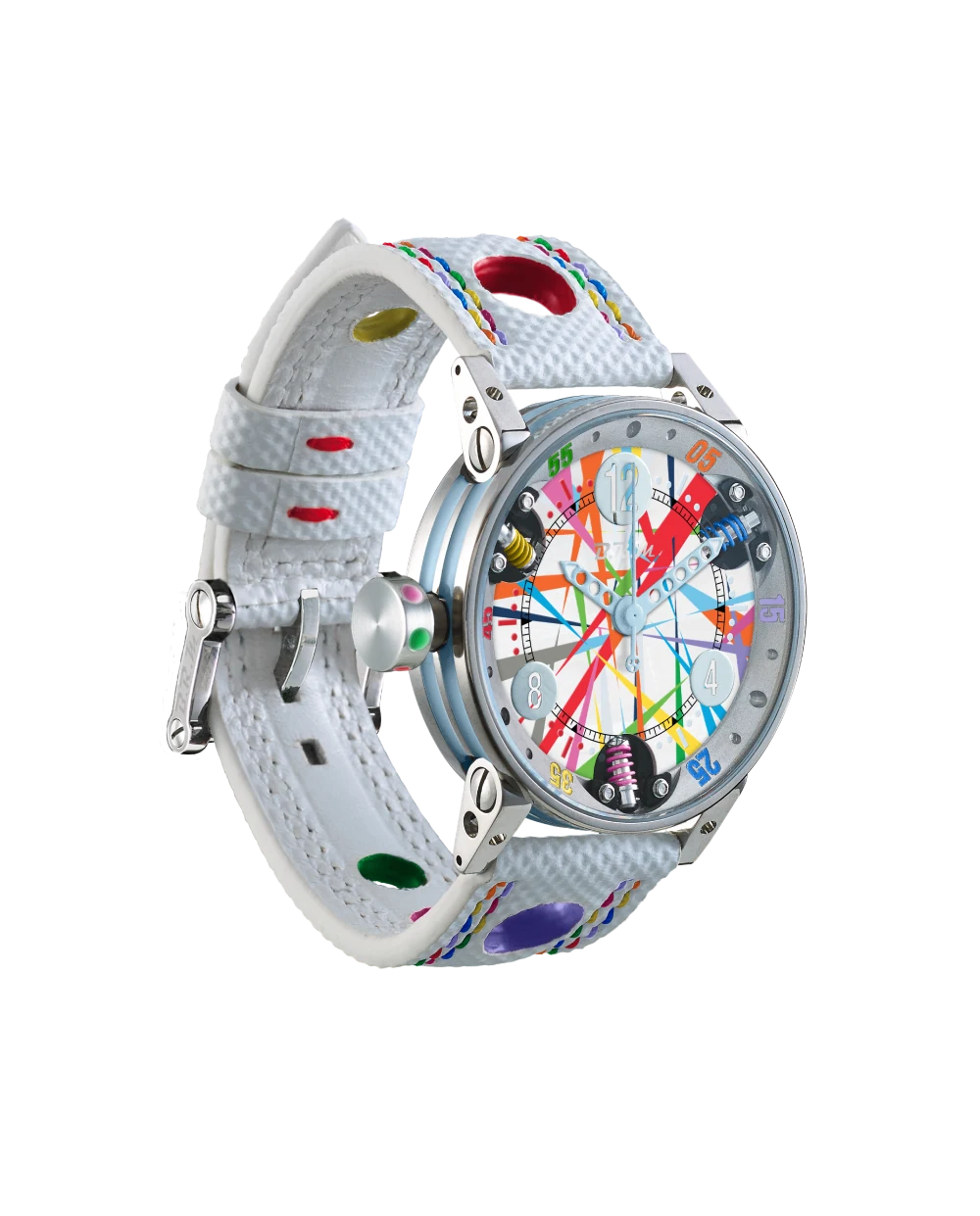
A quartz watch counts the vibrations of a crystal powered by a battery. A mechanical watch has neither battery nor circuit: the energy is stored in a mainspring, transmitted by a gear train, then released step by step by the escapement, which sustains the oscillations of the balance wheel. On B.R.M calibres, the balance wheel beats at 28,800 alternations per hour, or eight alternations per second: it is this beat that you see through a sapphire caseback or a skeleton dial.
You choose a mechanical watch for that very mechanism: an object that works without electronics, that can be serviced and repaired, and whose work you can follow with the eye.
On a manually wound watch, you tension the spring by turning the crown. On an automatic watch, an oscillating weight turns with each movement of the wrist and tensions it by itself. All B.R.M watches are automatic; you can also restart them by the crown, after unscrewing it, then screw it fully back down.
Left at rest, a watch runs on its power reserve, then stops, without damage: 38 hours for the ETA 2824-2 and ETA 2671 calibres, 46 hours for the Valjoux 7753 chronograph. To keep it running between wearings, see the guide to winders for automatic watches.
When left at rest, the watch runs on its power reserve, then stops, without harm.
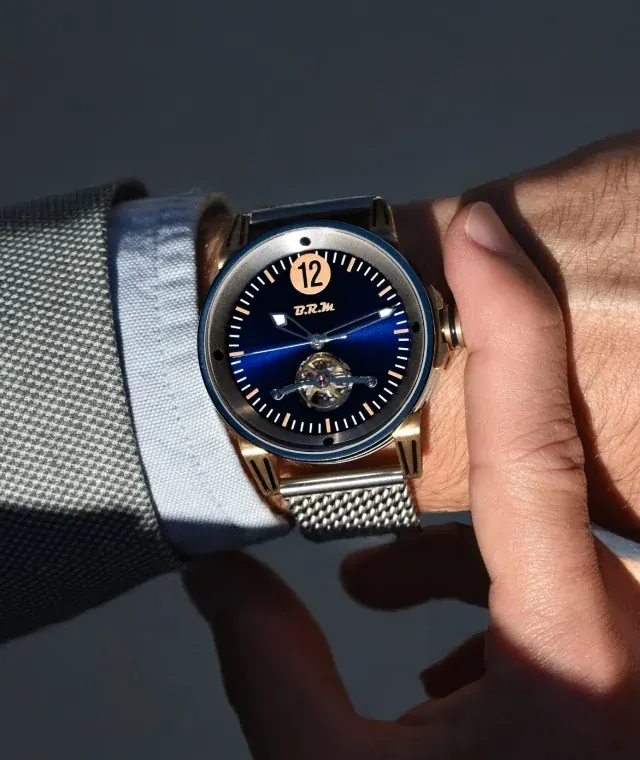
Each B.R.M product sheet names its movement. The most common are Swiss calibres:
Others are rarer: the EV42 calibre with exposed escapement of the V6-42-EV, the skeletonised SP024 of the V6-44-SLB Michelin, and the manufacture calibres of the Héritage collection, including the Tourbillon. The guide to choosing an automatic watch compares them.
A watch left on Friday evening had stopped by Sunday.
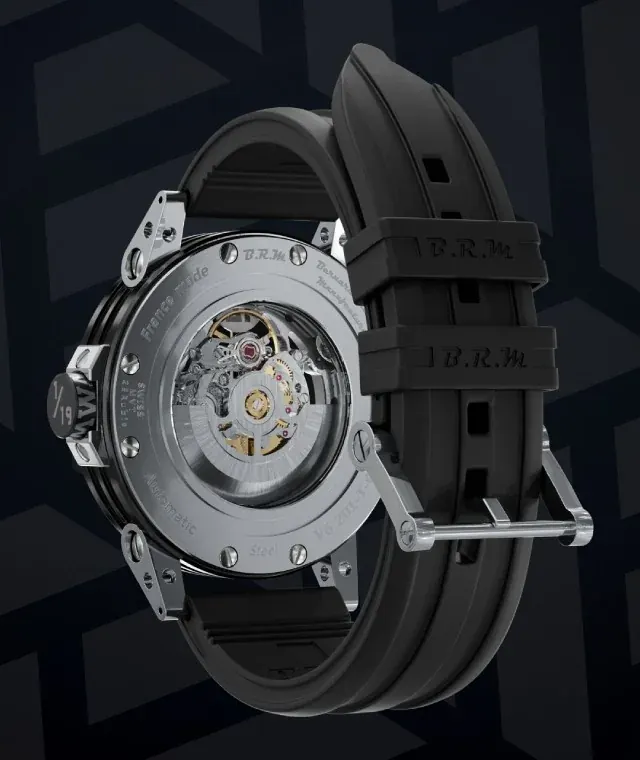
All B.R.M watches have a sapphire crystal front and back: through the caseback, you see the rotor and the calibre. Some go further. On a skeleton watch, the movement is openworked by hand in the Magny-en-Vexin workshop, and the product sheet then bears the words "squeletté par BRM". On the V6-42-EV, the dial remains solid but opens onto the escapement, the part of the movement that beats.
Openworked watches are gathered in the skeleton watches selection.

The calibre does not make a watch masculine or feminine; the diameter does more. For a slim wrist, the house offers the 25 mm V5-25, the 32 mm V3-32, the 34 mm BM2-34 and, in 38 mm, the V7-38 and GF7-38-SA. For a sportier presence, 44 mm dominates the catalogue, up to the 46 mm of the DDF6-46 and V12-46-SA and the 48 mm of the V17-48.
All share the same construction: case cut from solid, sapphire crystal front and back, 100 metres of water resistance. The slimmer models are in the women's watches selection.
A mechanical watch is worn, wound and serviced. Servicing maintains accuracy and water resistance: at B.R.M, it is done at the manufacture, by the watchmakers who assemble the watches. Each watch is guaranteed for 3 years, 6 with the extension, and made to order in 6 to 8 weeks. It can also be put together piece by piece in the B.R.M online configurator.
A quartz watch runs on a battery and a vibrating crystal. A mechanical watch draws its energy from a spring, and its running is regulated by a balance wheel that oscillates several times a second.
Yes: it is a mechanical watch whose spring is tensioned by an oscillating weight, which turns with each movement of the wrist. Worn, it winds itself.
For the length of its power reserve: 38 hours for the ETA 2824-2 and ETA 2671 calibres of B.R.M watches, 46 hours for the Valjoux 7753 chronograph. It then stops, without damage.
No. All B.R.M Chronographes watches are mechanical self-winding watches.
Yes: the 25 mm V5-25, the 32 mm V3-32, the 34 mm BM2-34, and the 38 mm V7-38 and GF7-38-SA, all automatic and water-resistant to 100 metres.
Swiss ETA 2824-2, ETA 2671, Valjoux 7753 and Soprod C125 GMT calibres, some skeletonised by hand in the workshop, and manufacture calibres on a few pieces of the Héritage collection.